

Solution-Focused Therapy
In 2021, Tellmi won an Innovate UK research grant to improve support for young people who were suicidal or self-harming. As part of that project, we decided to see what would happen if, alongside peer-to-peer support, we offered young people access to a text-based therapeutic intervention. After extensive research, Dr Suzi Godson adopted a solution-focused model. With help from Chris Iveson at BRIEF, Europe's largest provider of solution-focused training, as well as Ben Scott and Suzi Curtis, Tellmi Therapy launched in 2023.
Instead of focusing on problems, Solution-Focused Therapy (SFT) examines exceptions to the problem to help identify strengths, improvements, and goals (de Shazer & Dolan, 2007). SFT doesn’t analyse how the issue arose. Instead, SFT explores the issue in the here and now, and helps young people to move forward with an identified solution (de Shazer, 1988; de Shazer & Dolan, 2012).
“The questions asked helped me to think about things in a different way”
Because the average number of digital therapy sessions attended is one (Hoyt et al., 2018), Tellmi also worked with Dr Jessica Schleider, who runs The Lab for Scalable Mental Health, to ensure a single session can deliver meaningful benefit (Kazdin et al., 2019; Chorpita et al., 2019). Jessica is a global expert on single-session interventions and has conducted numerous randomised controlled trials confirming their benefits for young people.
Before and after every therapy session, we administer the Hope Scale (Snyder et al., 1997) via the ‘How are you feeling right now?’ survey. The measure is designed as a quiz so young people can see their score immediately. On average, 65% of young people experience a positive change in feelings of hopefulness within a single 50-minute session. Although our model uses a “one-at-a-time” approach, young people can have as many sessions as they want. We see cumulative improvements in wellbeing scores in young people who have more than one session.
“The thing that went well was that I could talk briefly about my home life without having to answer any further questions about it. I felt like I didn't have to say something if I didn't wanna which I loved.”
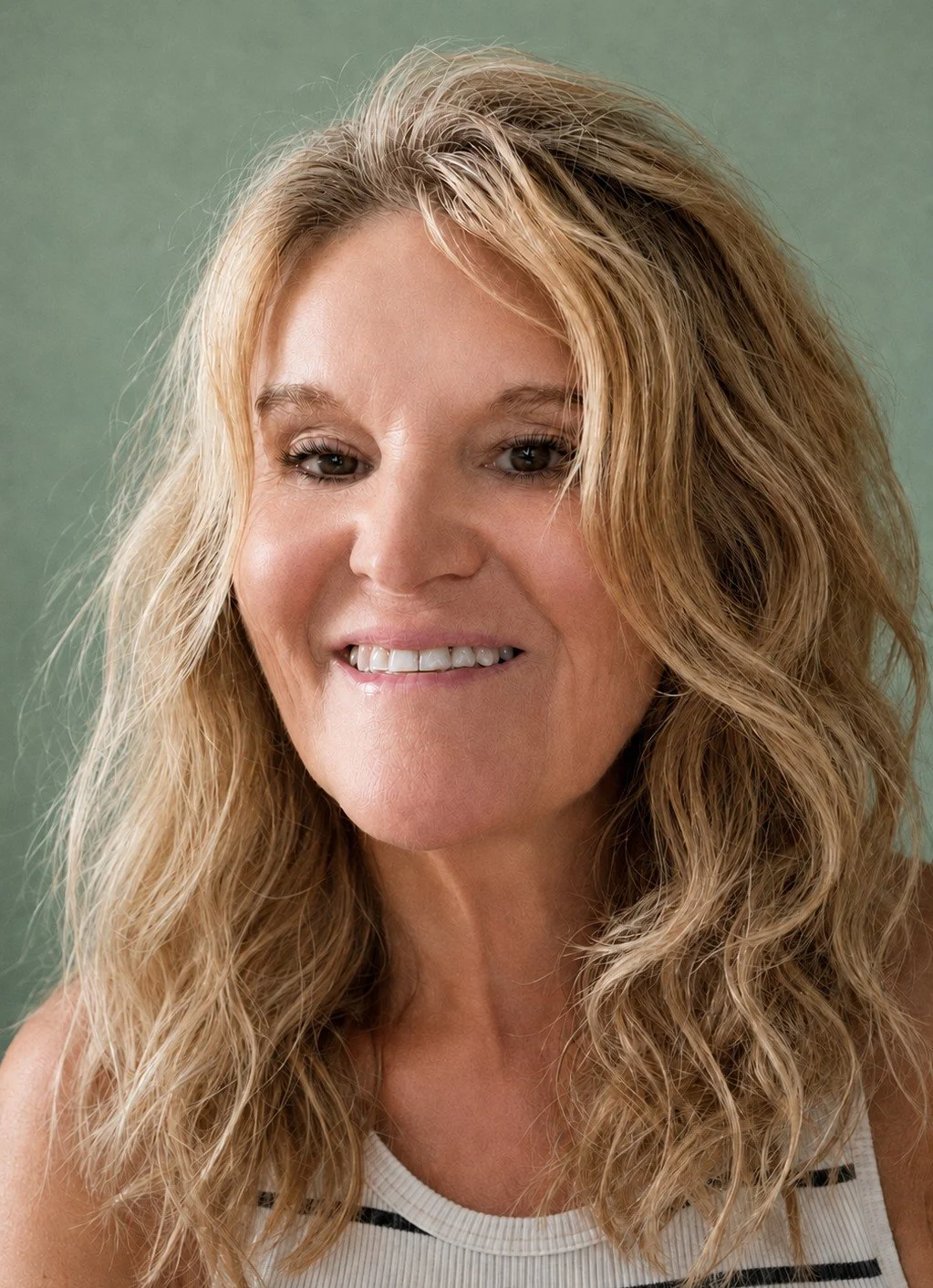
Suzi Curtis
Suzi spent nearly 20 years working in government statistics before training to be a clinical psychologist. She worked for ten years in the NHS with people affected by long-term physical health conditions. Alongside this, she worked for a Community Interest Company providing therapeutic input and support to staff and residents of local children’s homes.
Though trained in a range of different therapeutic approaches, Suzi fell in love with solution-focused practice early in her career. Her experience tells her that it can be highly effective for all sorts of people facing a wide range of difficulties, and she also enjoys the interesting conversations that can come from it!
Supervising therapists
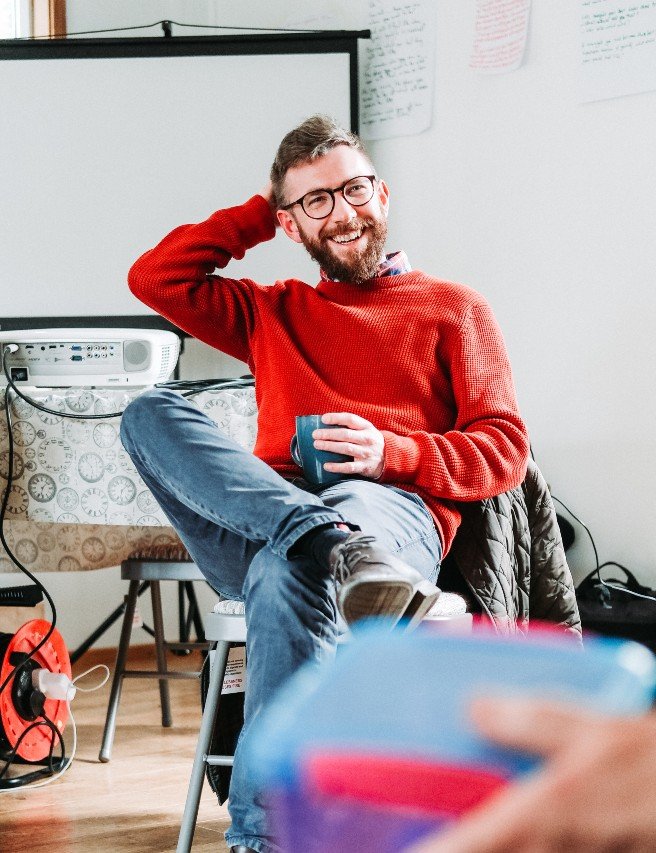
Senior therapists Ben Scott and Suzi Curtis run a team of 5 qualified solution-focused practitioners to deliver therapy in the Tellmi app.
See how a Tellmi Therapy session works
Ben Scott
Ben is a UKASFP Accredited Solution Focused practitioner and the co-founder of Solution Focused Possibilities. For more than a decade, Ben has utilised Solution Focused Brief Therapy whilst working with families, young people, asylum seekers, college students, professionals experiencing burnout and individuals impacted by human trafficking.
Ben has overseen resettlement projects for refugees from Syria and Afghanistan – supporting them to integrate and recover from trauma, established and delivered a confidential mentoring service for men struggling with sex addiction, provided early intervention to numerous families and young people helping them reduce or avoid involvement with social services, and offered clinical supervision and training to other professionals and organisations.
Ben loves supporting people to re-discover their resilience and unique qualities, working together to explore and co-create possibilities for a brighter future.
Tellmi Therapy FAQs
If you’d like to know more, take a look at our FAQS or contact support@tellmi.help